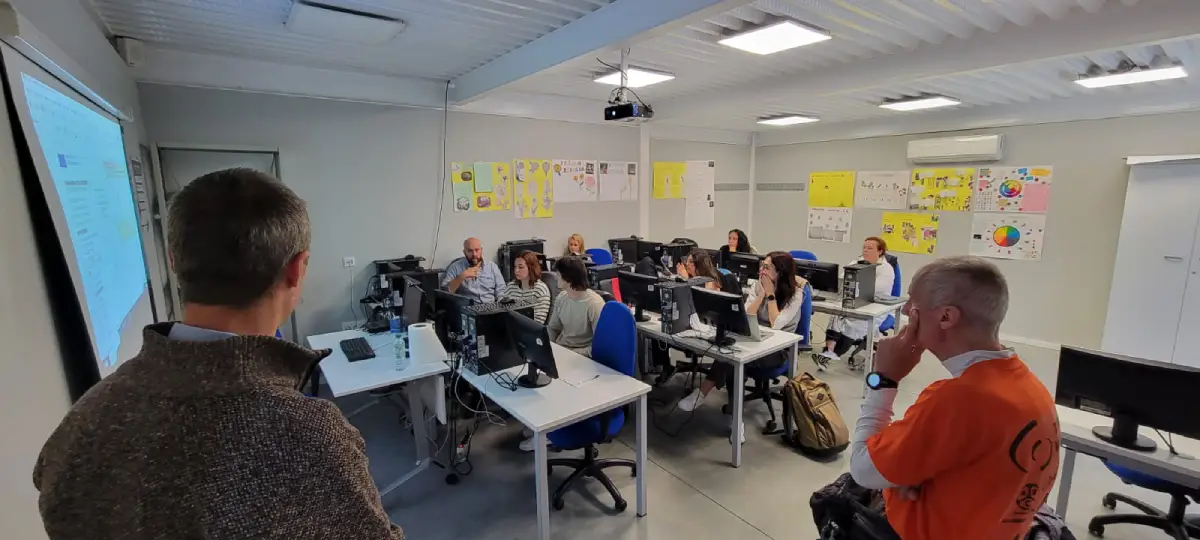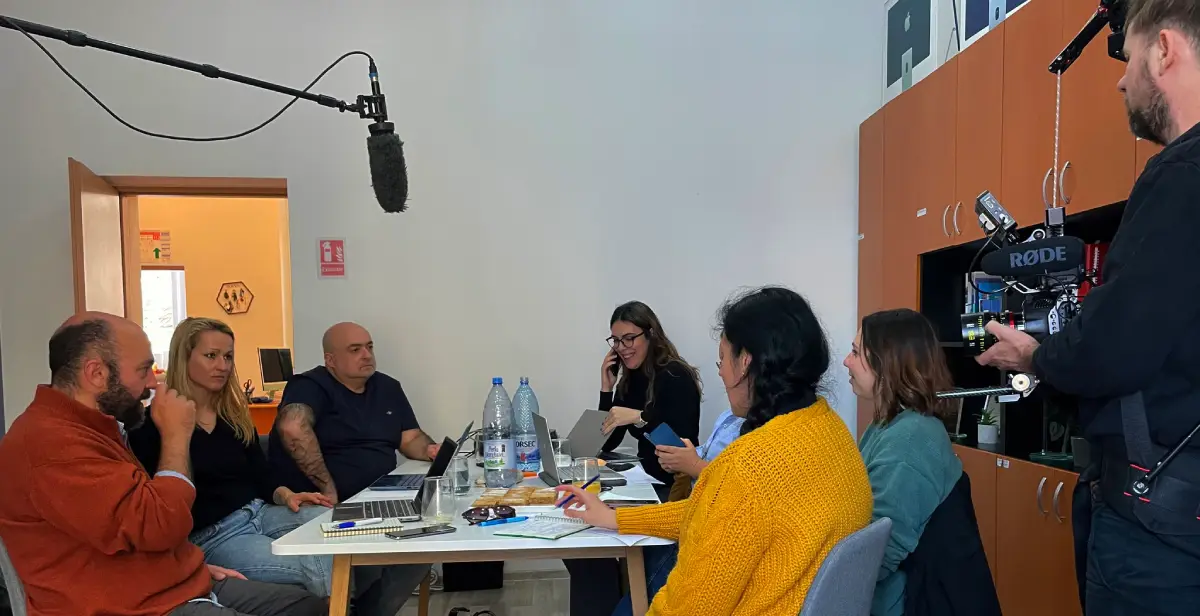
Project partners discussing around a big table. Rusaalka Films team is recording the meeting.

Arad, Romania – The InCASA project marked a significant step forward with its 3rd Transnational Project Meeting (TPM), held in Arad, Romania, from March 11-14, 2025. Project partners convened to discuss progress across work packages, strategize on dissemination efforts, and lay the groundwork for upcoming project activities.

Key Outcomes and Discussions:

  • WP2 – Pathfinder Research: Viva Femina (VF) presented reports on the Pathfinder Research. The discussion focused on strategies for disseminating the research outcomes and defining the next steps in this work package.

  • WP3 – Compass Web App: Clictic S.L. provided a development status overview of the Compass Web App. Key discussion points included data collection and data entry procedures, distribution of tasks, and project timelines. Partners also explored communication and dissemination strategies for the app’s rollout.

  • WP4 – Journey Blueprint & Chronicles: Fundación Docete Omnes (FDO) detailed the development status of the Journey Blueprint & Chronicles. This included updates on training content, missing elements, translations, peer review, and final checks before the online training. Communication and dissemination strategies were also a key focus.

  • WP5 – Dissemination & Communication: EIA provided an overview of the project’s dissemination and communication activities, including the website, blog, and social media status. Discussions also covered the work plan for translations and the distribution of tasks.

  • Online Training and Real-life Experience: Ofensiva Tinerilor (OT) and FDO led discussions on the online training and preparations for the real-life experience component. This included participant profiles, logistics, organization, agenda drafts, content preparation, workshops, route review, documentary requirements, and communication strategies.

  • Interim Report: FDO and all partners conducted a general overview and final checking of the interim report.

  • Future Tasks and Deadlines: The meeting concluded with a review of future tasks and deadlines, setting the stage for continued progress on the InCASA project.

Partners also enjoyed a dinner together at Ristorante D’amici in Arad, further strengthening collaboration and project cohesion.

The InCASA project’s 3rd TPM in Arad demonstrates the ongoing commitment of all partners to creating a more inclusive Camino de Santiago and achieving the project’s objectives.
We’re excited to share a new video that dives into the heart of the InCASA project and its mission to make the Camino de Santiago accessible to everyone.

The Camino de Santiago, a centuries-old pilgrimage route, holds a special place in European history and culture, inspiring countless pilgrims with its breathtaking landscapes and historic cities. However, the Camino’s diverse terrain and limited accessible infrastructure can pose significant challenges for people with disabilities.

This is where the InCASA project steps in, striving to transform the Camino de Santiago into a more inclusive experience for all.

What You’ll Discover in the Video:

Based on the document “Overview of the Project’s Goals and Components” and featured in Module 1: Introduction to the Inclusive Camino, this video offers a comprehensive look at how the InCASA project is breaking down barriers and promoting inclusion on this iconic route. You’ll learn about:

  • Pathfinder Research: The 13-month study across Europe that gathered crucial information on the challenges faced by pilgrims with disabilities.

  • Compass Web App: An innovative digital guide providing accessibility information, multilingual support, offline functionality, and a platform for users to share experiences.

  • Journey Blueprint Training Platform: Equipping caregivers and youth workers with the skills to plan and facilitate inclusive journeys.

  • Real-life Experience: An immersive pilot activity on the Portuguese Camino, allowing professionals to apply their training and validate the Compass Web App.

  • Documentary Film: “The Inclusive Camino: A New Story of the Camino de Santiago,” capturing the transformative journeys, challenges, triumphs, and personal growth of participants.

InCASA Project Goals:

The video also highlights the core goals of the InCASA project:

  • Empower people with disabilities: Providing knowledge and tools to enable independent enjoyment of the Camino.

  • Promote inclusion: Raising awareness within the Camino community about the importance of accessibility.

  • Inspire other initiatives: Encouraging inclusive projects across Europe for cultural and outdoor activities.

Join us in this journey to make the Camino de Santiago truly inclusive. Watch the video to learn more about how the InCASA project is making a difference and inspiring a new story of the Camino!

We encourage you to watch the video and join the InCASA community! Visit our website from time to time and follow us on our social media channels.

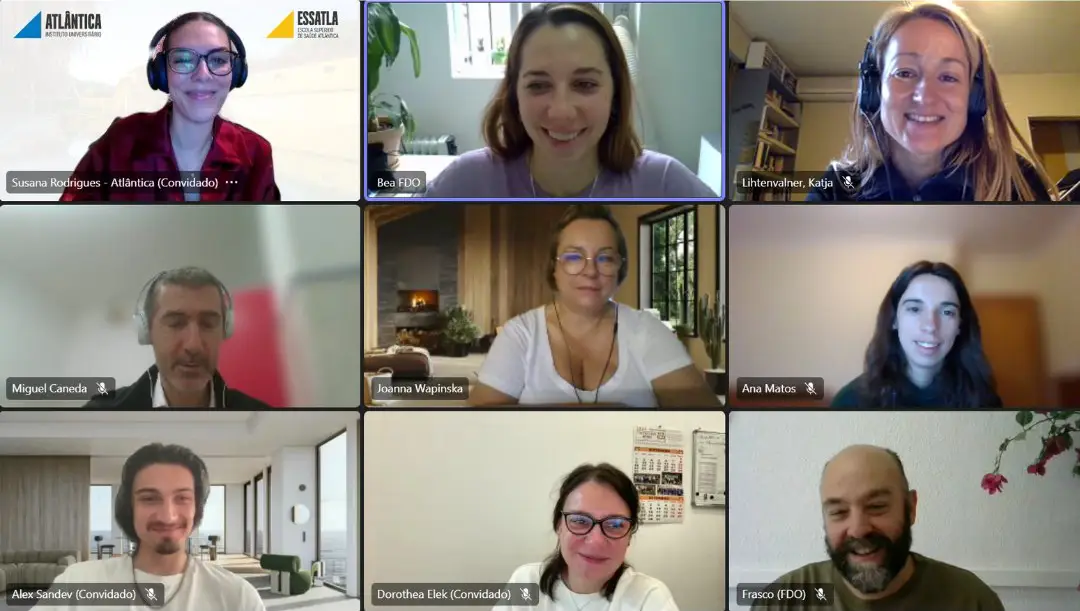
Screenshot of the videoconference showing the project partners.

Online – The InCASA project continued its momentum with its 2nd Transnational Project Meeting (TPM), held online on October 3, 2024. Project partners connected virtually to review progress, delve into key project components, and plan for upcoming activities.

Key Outcomes and Discussions:

  • Project Progress Review: Partners provided updates on completed tasks and milestones, discussed challenges and solutions, and reviewed the Gantt Chart for necessary adjustments.

  • WP2 – Pathfinder Research: Viva Femina (VF) presented the finalized Research Report, and Clictic showcased the completed Accessibility Map. Discussions focused on feedback, potential applications, and next steps.

  • WP3 – Compass Web App: Clictic provided a progress update on the Web App development, and Fundación Docete Omnes (FDO) discussed content development and multilingual support. Partners shared feedback on the app’s features and user-friendliness, and discussed user testing and refinement.

  • WP4 – Journey Blueprint & Chronicles: FDO and Ofensiva Tinerilor (OT) discussed the progress of the training platform development. VF, Clictic, EIA, and Rusaalka Films (RF) provided updates on their contributions to the training content. Initial planning for the online training session and LTTA event took place.

  • Next Steps and Action Items: Partners reviewed action items, confirmed deadlines and responsibilities, and set the date for the next meeting.

Action Items:

Key action items and follow-up tasks were identified for each partner to ensure continued progress across the project’s objectives.

The 2nd online TPM facilitated important discussions and planning, keeping the InCASA project on track to achieve its goals of creating a more inclusive Camino de Santiago.

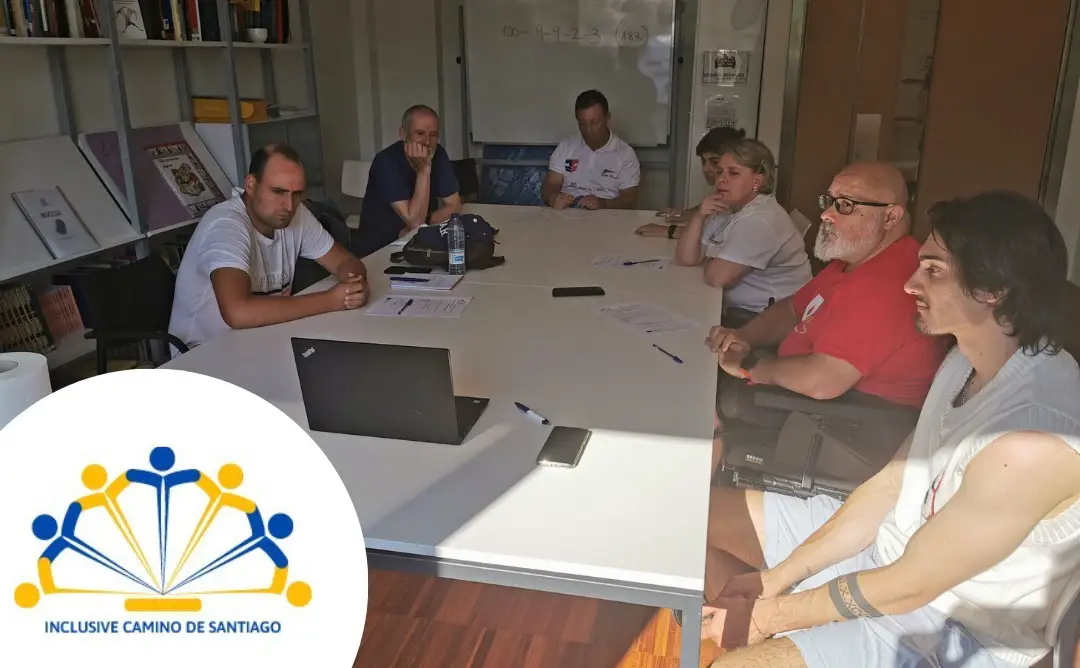
People discussing around a table.

As part of the InCASA project’s commitment to creating a truly inclusive Camino de Santiago, partner organizations conducted focus groups to gather valuable insights from experts and people with disabilities. These focus groups aimed to identify key challenges, needs, and best practices to inform the development of project tools, including the Compass Web App and the Journey Blueprint platform.

Activity and Aims:

Partners from Spain, Poland, Portugal, Romania, and Slovenia organized focus group discussions with experts, including people with disabilities, caregivers, youth workers, and other professionals. These sessions provided a platform to share experiences, identify obstacles, and gather recommendations for creating a more inclusive Camino de Santiago.

Key Findings:

The focus groups highlighted several key findings:

  • Main Obstacles: Participants identified various obstacles faced by people with disabilities, including physical barriers like inaccessible routes and facilities, sensory challenges like the lack of visual and auditory aids, and cognitive difficulties related to information overload and lack of clear guidance. Social obstacles, such as lack of support and awareness, were also noted.
  • Accommodation of Needs: Participants emphasized the importance of accessible accommodations with features like level floors, functional lifts, and adapted bathrooms. Clear communication, simple language, and visual aids were highlighted as crucial for cognitive and hearing impairments. Detailed route information, including distances, water points, and rest stops, was deemed essential.
  • Benefits of the Camino: The Camino de Santiago offers numerous benefits for people with disabilities, including personal growth, increased self-awareness, improved physical and mental health, social interaction, and cultural enrichment. Participants highlighted the potential for empowerment, increased confidence, and the development of new skills.
  • Best Practices and Resources: The focus groups also identified best practices for organizing inclusive Camino experiences, such as thorough pre-trip planning, clear communication, and the use of accessible tools and resources. Participants recommended resources like accessible travel apps, customizable checklists, online forums, and specific websites and organizations that offer valuable support and information.

Overall, the focus group reports highlight the importance of addressing accessibility challenges to create a more inclusive and enriching Camino de Santiago experience for people with disabilities.

The project's partners discussing in a meeting room.

The InCASA project, an innovative Erasmus+ initiative focused on enhancing accessibility to the Camino de Santiago for young people with disabilities, officially kicked off its activities with a productive meeting in Vigo, Spain. Held from May 21st to 23rd, 2024, this key event brought together project partners from across Europe to align their visions, establish workflows, and set the foundation for a successful collaboration.

A Warm Welcome to Vigo

Hosted by Clictic, the meeting took place in Vigo, a beautiful city in the Pontevedra province, known for its coastal charm and cultural significance. The meeting’s venue was Clictic’s office on Rúa Coruña. Participants were provided with practical information to navigate Vigo, including details on transportation from nearby airports (Vigo, Porto, and Santiago de Compostela), local bus services, taxi information, and hotel recommendations.

Day 1: Project Foundations and Work Package Introductions

The first day, May 22nd, was packed with insightful sessions. The day started with a warm welcome from Clictic, followed by project partners introducing themselves. A highlight of the morning was an expert view provided by Javier Pitillas, Manager of the Discamino Association, offering valuable insights into the existing efforts and needs concerning accessibility on the Camino de Santiago.

Fundación Docete Omnes (FDO), the project coordinator, presented a detailed project plan, outlining the project’s aims, structure, and Gantt Chart, providing a roadmap for the collaborative work. The rest of the day was dedicated to Work Package (WP) introductions, with partners delving into the first ideas, milestones, and organization of work.

  • WP2 – Pathfinder Research (led by Viva Femina): Partners discussed conducting desk research, focus groups, and surveys to gather crucial information on accessibility challenges and needs of individuals with disabilities undertaking the Camino de Santiago pilgrimage.

  • WP3 – Compass Web App (led by Clictic): Clictic outlined the development stages for the web app, including planning and analysis, design and prototyping, development, and testing.

  • WP4 – Journey Bluepring & Chronicles (led by FDO & Ofensiva Tinerilor): There were detailed sessions on the e-learning platform’s aims, content, and structure, as well as discussions on the Learning, Teaching, Training Activities (LTTA), including dates, program, and organization of work.

The afternoon sessions also included important discussions on dissemination and communication plans, where EIA – Ensino e Investigacao e Administracao S.A. presented proposals for the systematic dissemination of the project and its results, including social media, regular press releases, website, and logo. Partners also focused on finding synergies and fostering cooperation to effectively develop WPs and other project activities. The day concluded with a Q&A session, and a dinner at Maridaxe & Praza Eirado do Costal, Cangas, Pontevedra, for partners to network and build connections.

Day 2: Project Management, Quality, and Next Steps

The second day, May 23rd, began with a summary of Day 1 by FDO, ensuring all participants were aligned. Key discussions and decisions were made on project management and reporting, including a presentation of the Project Management Handbook, financial management, project repository, communication channels, and Project Management Group (PMG).

Ofensiva Tinerilor (OT) led discussions on the monitoring, quality, and evaluation plan, including GDPR compliance, to ensure project quality and ethical implementation. The meeting also included first ideas on research and focus groups, with discussions on structure, organization, content, participant recruitment, and dates.

Partners also discussed the project launch in each country, focusing on recruiting participants and stakeholders, and fostering cooperation between partners to maximize project impact. The meeting concluded with a summary of action items, future tasks, and deadlines, including the next online meeting date (June 12th, 2024) and the schedule for upcoming Transnational Project Meetings (TPMs).

  • Next online meeting: June 12th, 2024

  • TPM 2 (online): October 3rd, 2024

  • TPM 3 (in-situ, Arad, Romania): March 11-14, 2025

The kick-off meeting successfully set the stage for the InCASA project, fostering collaboration, and outlining key activities to achieve its goal of an accessible Camino de Santiago

Scroll to Top